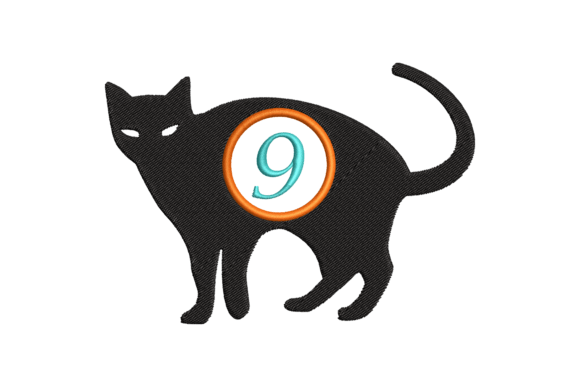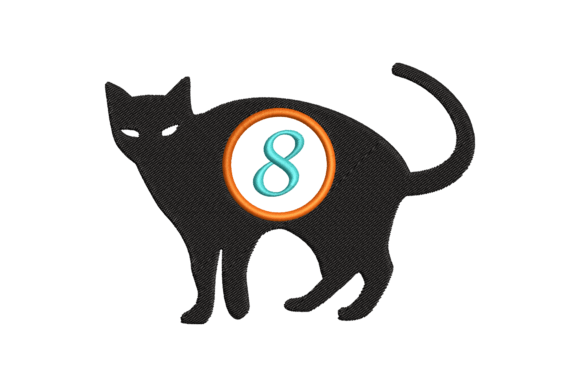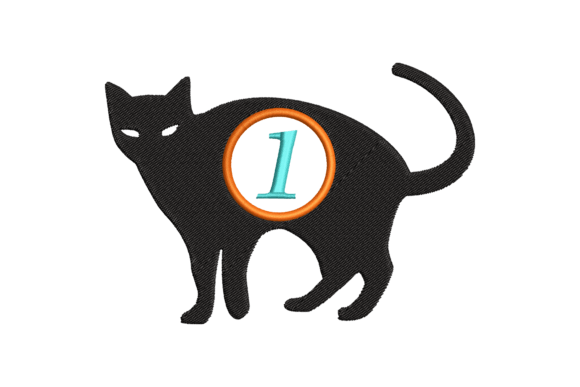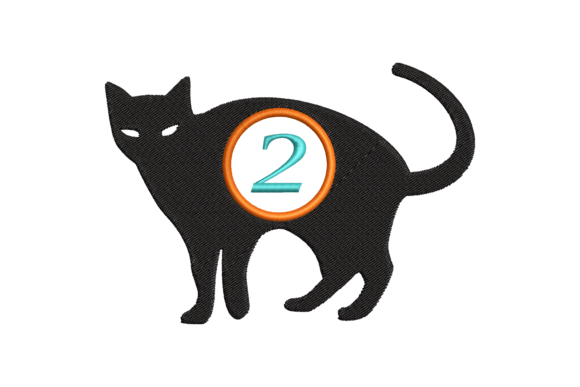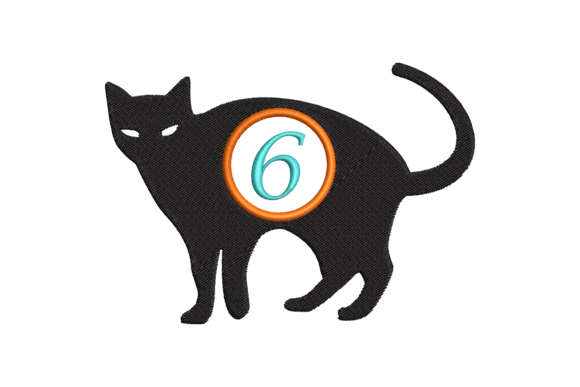
Black Cat Number 6 Embroidery Design Review
As an experienced embroidery designer, I spend a significant amount of time evaluating digital files before they ever touch my machine. The market for personalized gift products is saturated, but there is always room for designs that offer genuine charm and emotional resonance. Recently, I had the opportunity to test Black Cat Number 6, a design that promises to add elegance and character to various textile projects. This review is based on practical testing scenarios relevant to Etsy sellers, small business owners, and craft fair exhibitors who are looking to expand their inventory with high-quality, handmade items.
First Impressions: Mood and Aesthetic Appeal
The moment you load Black Cat Number 6 into your software, the visual impact is immediate. It strikes a balance between playful and sophisticated. For those creating products in the Back To School category or targeting younger demographics, the design feels modern yet timeless. It does not scream for attention but rather invites the viewer to appreciate its details. The mood is one of quiet companionship, which is incredibly powerful when marketing to pet lovers or parents looking for nursery decor.
In terms of detail level, the design is intricate without being overwhelming. It possesses a hand-drawn quality that translates beautifully into thread work, giving the final product a distinctively handmade product feel. Whether used on a simple cotton tote bag or a delicate baby blanket, it adds a layer of artisanal value that mass-produced prints simply cannot match. The elegance lies in its simplicity; it is not cluttered, allowing the recipient to focus on the sentiment behind the gift.
Application Scenarios for Personalized Gifts
One of the strongest selling points of Black Cat Number 6 is its versatility across different product categories. During my planning phase, I imagined several customer use cases that highlight its potential:
- Baby Embroidery: This design is perfect for nursery items. Imagine a soft muslin swaddle or a hooded towel featuring this motif. It appeals to modern parents who prefer gender-neutral or whimsical themes over traditional pastels.
- Wedding Keepsakes: For couples who share a love for cats, this can be embroidered on pillow covers or aprons as a unique wedding gift. It serves as a lasting memory of their union, personalized with their names or wedding date.
- Kitchen and Home Decor: An embroidered towel or a set of kitchen napkins featuring this design adds a touch of warmth to any home. It works exceptionally well as a housewarming gift, bridging the gap between utility and art.
- Custom Tote Bags: As a staple item for Etsy sellers, tote bags are a high-volume product. Adding this design elevates the item from a basic accessory to a fashion statement, appealing to students and professionals alike.
- Family Keepsakes: Use this on a family quilt or a commemorative blanket. The design’s charm makes it suitable for celebrating milestones like birthdays or holidays.
For digital product sellers, offering printable mockups of these finished products can significantly boost engagement. Customers want to visualize how Black Cat Number 6 looks on real fabric before purchasing the file or the physical item.
Where Caution Is Required
While the design is versatile, no single embroidery file fits every scenario perfectly. There are specific areas where you must exercise caution to ensure customer satisfaction and avoid costly rework:
- Small Lettering and Delicate Details: If the design includes tiny text or fine lines, test it carefully. On textured fabrics, these details may blur. Ensure your digitizing software allows for adequate spacing between elements.
- Textured and Thick Fabrics: Avoid using this design on heavily textured materials like terry cloth towels (unless specifically digitized for them) or thick fleece. The needle penetration might be difficult, and the design may not lay flat.
- Stretchy Baby Clothes: When embroidering on stretchy knits, proper stabilizer usage is non-negotiable. Without it, the fabric will pucker, distorting the shape of the cat and ruining the aesthetic.
- Curved Surfaces: Applying this to curved items like hats or sleeves requires specialized techniques. Flat surface embroidery is recommended for the best results.
- Dark Fabric: If you plan to use dark backgrounds, ensure you have enough contrasting thread colors. Black thread on black fabric will disappear, so consider white or bright accent threads.
- Frequent Washing: For items like aprons or daily-use towels, confirm that the stitch density is robust enough to withstand repeated laundering without fraying or fading.
Impact on Giftability and Perceived Value
Using Black Cat Number 6 directly influences how customers perceive the value of your product. In the world of handmade goods, perceived value is driven by quality, uniqueness, and emotional connection. A well-executed embroidery project signals care and attention to detail, which builds customer trust.
When a buyer sees a beautifully stitched design on a premium fabric, they are more likely to view the item as a special occasion gift rather than a casual purchase. This enhances the emotional connection between the giver and the receiver. For small shop product creators, this means you can command higher prices because the craftsmanship is visible and tangible.
Furthermore, the design’s charm encourages social sharing. Customers love to post photos of their new purchases on social media. A striking machine embroidery design like this one acts as free marketing, driving traffic back to your store through organic engagement.
Practical Embroidery Notes for Success
To ensure that Black Cat Number 6 performs optimally in your production line, follow these practical steps:
- Test on Scrap Fabric: Always run a test stitch-out on the exact fabric you intend to use. This reveals issues with tension, thread breaks, or fabric distortion early.
- Check Thread Color Contrast: Select thread colors that pop against your chosen fabric. High contrast ensures the details of the design are visible and attractive.
- Confirm Hoop Size: Verify that your hoop size accommodates the design dimensions with enough margin for hooping stability. Do not rush this step.
- Review Stitch Density: Examine the density settings in your digitizing software. Too dense, and the fabric becomes stiff; too sparse, and the fabric shows through.
- Use Proper Stabilizer: Match the stabilizer type (cut-away, tear-away, or wash-away) to the fabric weight and elasticity. This is critical for maintaining the integrity of the embroidery file.
- Compare Mockups: Create both light and dark fabric mockups to see how the design adapts to different color palettes. This helps in curating a cohesive product line.
- Check Small Details: Zoom in on the digital preview and the stitched sample to ensure no fine details are lost during the stitching process.
- Confirm Commercial Licensing: Before selling finished products, double-check the licensing terms of the digital embroidery file. Ensure you have the right to sell items made with this design to avoid legal issues.
In conclusion, Black Cat Number 6 is a strong candidate for inclusion in any serious embroidery designer’s portfolio. Its blend of elegance, charm, and versatility makes it suitable for a wide range of custom embroidery projects. By paying attention to fabric selection, stabilizer choice, and proper testing, you can create stunning finished product offerings that resonate with customers and drive sales for your business.