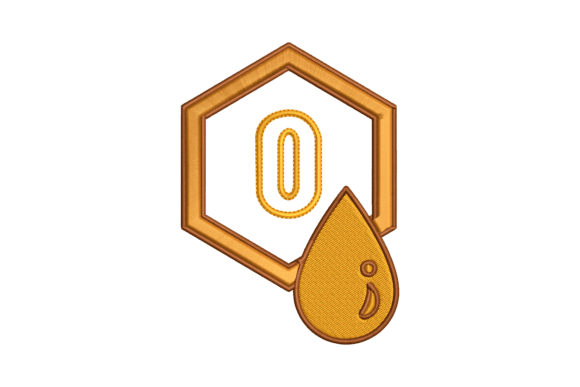
Honey Hive Number 0 Embroidery Review
As a designer who spends more time staring at stitch plots than sleeping, I approach every new embroidery file with a mix of curiosity and skepticism. We are all bombarded with digital assets daily, but very few actually translate well from the screen to the fabric. Today, I am putting Honey Hive Number 0 through its paces. This is not just about whether it looks pretty in a preview window; it is about whether it holds up when you are stitching out fifty custom tote bags for a craft fair or preparing a delicate baby onesie for a boutique client.
The description promises elegance and charm, which are high bars to clear in the world of machine embroidery. Let’s look at how this design performs in real-world scenarios, what kind of maker it serves best, and where you might want to exercise caution before hitting the start button on your hoop.
First Impressions: Mood and Visual Personality
When you first load Honey Hive Number 0, the immediate takeaway is its structured yet organic feel. The name suggests a hexagonal grid or a cluster of honeycomb shapes, which inherently brings a sense of geometry and nature together. In my experience, geometric designs can often feel cold or rigid if the stitch work isn’t balanced, but this design manages to soften those lines. It creates a mood that is both professional and inviting.
This visual personality makes it incredibly versatile. It does not scream "loud and trendy," nor does it whisper "quiet and boring." Instead, it strikes a balance that works beautifully for brands looking for consistency. For an Etsy seller or small shop owner, this is gold. You want a design that feels handmade and artisanal but still looks polished enough to command a higher price point. The layout allows the eye to travel across the design without getting lost in unnecessary clutter, which is a common pitfall in overly detailed embroidery files.
Real-World Application: From Concept to Finished Product
Let’s talk about actual use cases. I recently imagined using this design for a line of back-to-school supplies, specifically focusing on durability and aesthetic appeal. Here is how I see Honey Hive Number 0 fitting into various product categories.
Apparel and Accessories
If you are decorating custom apparel, this design shines on structured items. A sweatshirt embroidery application benefits greatly from the clean lines of this pattern. The structure provides a nice contrast against the soft, fuzzy texture of fleece or cotton blends. Similarly, for cap embroidery, the defined shape holds its own on curved surfaces, provided the sizing is correct. It adds a touch of sophistication to a casual garment, elevating a basic hoodie into something that feels like a premium brand item.
For tote bag design projects, this is a standout choice. Canvas is a forgiving fabric, but it can also be bulky. The density of this design appears sufficient to stand up against the thick weave of canvas without sinking in or losing definition. It works exceptionally well as a central chest logo or even as a repeated pattern along the side panels of a reusable shopping bag.
Home Goods and Gifts
Consider the kitchen towel market. Tea towels are a staple for holiday embroidery gifts. The elegance of the hive motif translates well to linen or cotton blends used in kitchen decor. It feels domestic yet stylish. Furthermore, for nursery decor or baby embroidery projects, the theme is gentle and neutral. It avoids gendered clichés, making it a perfect choice for unisex baby clothes or crib blankets where parents are looking for timeless designs rather than fleeting trends.
For the commercial embroidery sector, think about branded merchandise. A company selling artisanal honey or natural products would find immense value in this asset. It reinforces brand identity without being literal. An embroidered patch featuring this design could easily adorn a denim jacket or a backpack, serving as a badge of quality for the wearer.
Technical Considerations and Fabric Compatibility
No design is perfect for every surface. As a reviewer, I must highlight where Honey Hive Number 0 requires careful handling. Understanding these limitations will save you from ruined fabric and frustrated customers.
- Small Hoop Sizes: If you are working with a compact embroidery machine, ensure the design fits comfortably within your minimum hoop dimensions. While the design is elegant, cramming it into too small a space can distort the proportions and make the details muddy.
- Textured and Stretchy Fabrics: Be cautious when stitching onto highly textured fabrics like chunky knits or stretchy jersey materials. Without proper stabilization, the tension of the thread may cause puckering. Always use a stabilizer that matches the weight of your fabric—cut-away for knits and tear-away for wovens.
- Dense Stitch Areas: Check the stitch density carefully. If the design relies heavily on fill stitch in small areas, it may become stiff and uncomfortable to wear, particularly on children's clothing or sensitive skin areas. Test the hand-feel of the finished product to ensure it remains soft.
- Dark Fabrics: If you plan to use this on dark fabric, you will need to consider underlay stitches and thread color contrast. Light threads on dark backgrounds require a solid foundation to prevent show-through, so verify that the file includes adequate underlay for stability and opacity.
Designer Notes for Success
To get the most out of this embroidery file, I recommend a few practical steps before committing to a final run.
- Test on Scrap Fabric: Never skip this step. Stitch the design on a scrap piece of the exact fabric you intend to use. This reveals issues with tension, needle type, or stabilizer choice that you cannot see on a monitor.
- Check Thread Colors: The mood of the design shifts dramatically with color. Try black and white mockups first to evaluate the contrast and clarity of the shapes. Then, experiment with thread colors that complement your target audience’s preferences.
- Inspect Small Details: Zoom in on the digital preview. Are there tiny elements that might break during stitching? Ensure that any fine lines or small accents are robust enough to survive the washing process, especially for items like aprons or dish towels that will see frequent laundering.
- Confirm Licensing: Before listing this as a digital product or selling finished goods, double-check the license terms. Some files are for personal use only, while others allow commercial sales. Clarity here protects your business reputation and legal standing.
Final Verdict
Honey Hive Number 0 is a thoughtful addition to any designer’s library. It offers a blend of structural integrity and organic charm that appeals to a broad audience. Whether you are creating personalized gifts for friends or building a brand presence for your craft business, this design delivers a professional finish. It respects the medium of embroidery by balancing detail with wearability.
It is not a flashy, over-the-top design that demands attention through volume. Instead, it earns respect through execution. For the discerning maker who values quality over quantity, this is a reliable tool. Use it wisely, test it thoroughly, and watch your handmade products gain that extra layer of polish that customers appreciate. It is a solid investment for anyone looking to elevate their embroidery project game.